

How to Conjugate Graduarse in Spanish - Graduarse-Conjugatio
As of 2026, "graduarse" is a crucial Spanish verb that signifies completing an academic program or achieving a degree. Whether you're a beginner or an advanced learner, understanding how to conjugate "graduarse" in various tenses and moods is essential for effective communication.
Graduarse is a versatile Spanish verb that can be used in various contexts to convey the meaning of verbs such as "to graduate." Whether you are learning Spanish as a beginner or looking to expand your conjugation skills, understanding how to properly conjugate "graduarse" is essential. In this article, we will provide you with a comprehensive guide on how to conjugate "graduarse," including detailed explanations for each tense and mood.

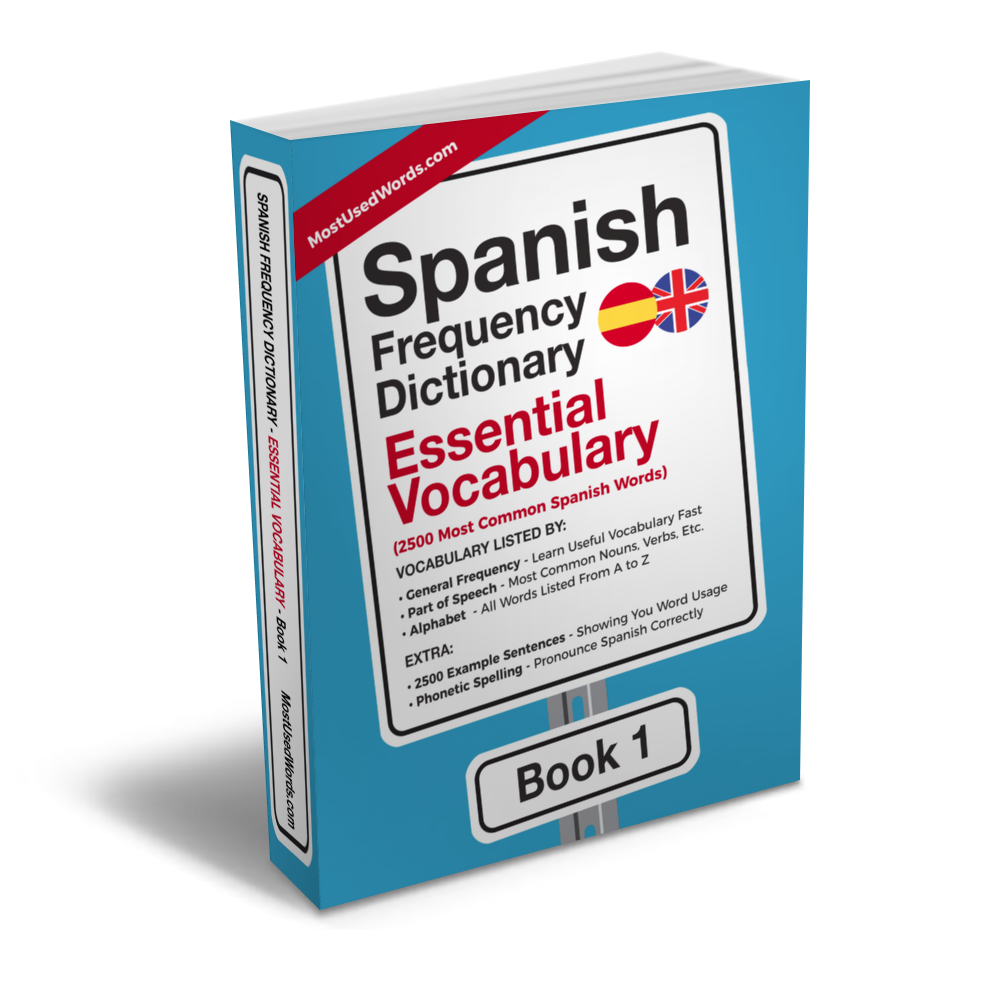
2,500 most common Spanish words with IPA pronunciation & bilingual example sentences
Forms of "Graduarse" in Spanish
In Spanish, verbs play a fundamental role in expressing actions, states, and conditions. Verbs are highly versatile and can take on different forms based on the subject, mood, and tense. The moods of conjugation in Spanish include the indicative, subjunctive, and imperative. When it comes to tenses in Spanish, they indicate the time and duration of an action. The tenses include the present, preterite, imperfect, future, imperative, and conditional.
Indicative Mood: Simple Tenses
Want to improve your Spanish?
The Spanish Frequency Dictionary series covers the 10,000 most common Spanish words — ranked by how often native speakers actually use them, with IPA pronunciation, English translations, and bilingual example sentences at every level.
Browse the full series →Present
- Yo me gradúo
- Tú te gradúas
- Él/Ella/Usted se gradúa
- Nosotros/Nosotras nos graduamos
- Vosotros/Vosotras os graduáis
- Ellos/Ellas/Ustedes se gradúan
Past Imperfect (Imperfect Past)
- Yo me graduaba
- Tú te graduabas
- Él/Ella/Usted se graduaba
- Nosotros/Nosotras nos graduábamos
- Vosotros/Vosotras os graduabais
- Ellos/Ellas/Ustedes se graduaban
Past Simple (Simple Past)
- Yo me gradué
- Tú te graduaste
- Él/Ella/Usted se graduó
- Nosotros/Nosotras nos graduamos
- Vosotros/Vosotras os graduasteis
- Ellos/Ellas/Ustedes se graduaron
Future
- Yo me graduaré
- Tú te graduarás
- Él/Ella/Usted se graduará
- Nosotros/Nosotras nos graduaremos
- Vosotros/Vosotras os graduaréis
- Ellos/Ellas/Ustedes se graduarán
Indicative Mood: Perfect Tenses
Present Perfect
- Yo me he graduado
- Tú te has graduado
- Él/Ella/Usted se ha graduado
- Nosotros/Nosotras nos hemos graduado
- Vosotros/Vosotras os habéis graduado
- Ellos/Ellas/Ustedes se han graduado
Past Perfect (Pluperfect)
- Yo me había graduado
- Tú te habías graduado
- Él/Ella/Usted se había graduado
- Nosotros/Nosotras nos habíamos graduado
- Vosotros/Vosotras os habíais graduado
- Ellos/Ellas/Ustedes se habían graduado
Future Perfect (Anterior)
- Yo me habré graduado
- Tú te habrás graduado
- Él/Ella/Usted se habrá graduado
- Nosotros/Nosotras nos habremos graduado
- Vosotros/Vosotras os habréis graduado
- Ellos/Ellas/Ustedes se habrán graduado
Indicative Mood: Progressive Tenses
Present Progressive (Continuous)
- Yo me estoy graduando
- Tú te estás graduando
- Él/Ella/Usted se está graduando
- Nosotros/Nosotras nos estamos graduando
- Vosotros/Vosotras os estáis graduando
- Ellos/Ellas/Ustedes se están graduando
Past Progressive (Continuous)
- Yo me estaba graduando
- Tú te estabas graduando
- Él/Ella/Usted se estaba graduando
- Nosotros/Nosotras nos estábamos graduando
- Vosotros/Vosotras os estabais graduando
- Ellos/Ellas/Ustedes se estaban graduando
Subjunctive Mood: Simple Tenses
Present Subjunctive
- Yo me gradúe
- Tú te gradúes
- Él/Ella/Usted se gradúe
- Nosotros/Nosotras nos graduemos
- Vosotros/Vosotras os graduéis
- Ellos/Ellas/Ustedes se gradúen
Imperfect Subjunctive (Past Subjunctive)
- Yo me graduara / me graduase
- Tú te graduaras / te graduases
- Él/Ella/Usted se graduara / se graduase
- Nosotros/Nosotras nos graduáramos / nos graduásemos
- Vosotros/Vosotras os graduarais / os graduaseis
- Ellos/Ellas/Ustedes se graduaran / se graduasen
Imperative Mood (Commands)
Positive Commands
- (tú) Te gradúa
- (vosotros/vosotras) Os graduáis
- (usted, ustedes) Se gradúe / se gradúen
Negative Commands
- (tú) No te gradúas
- (vosotros/vosotras) No os graduéis
- (usted, ustedes) No se gradúe / no se gradúen

Frequently Asked Questions
What is the pronunciation of "graduarse"?
The verb "graduarse" is pronounced as /ɡɾaduˈase/ in Spanish. The stress falls on the second-to-last syllable, and it's important to note that 'r' sounds are typically softer than their English counterparts.
How does "graduarse" compare with other verbs like "terminar"?
"Graduarse" is more specific in its meaning compared to "terminar," which can mean both "to finish" and "to terminate." While "graduarse" specifically refers to completing an academic program, "terminar" has a broader range of applications.
Can you give me some examples of how to use "graduarse"?
Sure! Here are a few sentences using "graduarse":
- "Me gradué de la universidad hace dos años." (I graduated from university two years ago.)
- "¿Cuándo te vas a graduar?" (When are you going to graduate?)
- "Nosotros nos graduamos en el mismo año." (We graduated in the same year.)
Build Your Spanish Vocabulary Systematically
The fastest way to grow your Spanish vocabulary is to start with the words you'll actually encounter every day. The Spanish Frequency Dictionary covers the 2,500 most common Spanish words, each with IPA pronunciation, an English translation, and bilingual example sentences.
Browse the full range of Spanish frequency dictionaries to find the volume that matches your level.