

How to Conjugate Esguinzar in Spanish | MostUsedWords.com
Updated for 2026, the verb esguinzar is a versatile Spanish term used to describe actions similar to spraining or twisting an ankle or joint. Understanding how to conjugate this verb correctly in various tenses and moods is essential for advanced learners of Spanish.
Esguinzar, which means "to sprain" or "to twist," can be used in a variety of contexts, from describing sports injuries to everyday accidents. This article will provide you with comprehensive conjugation charts and practical examples to help you master the use of esguinzar.
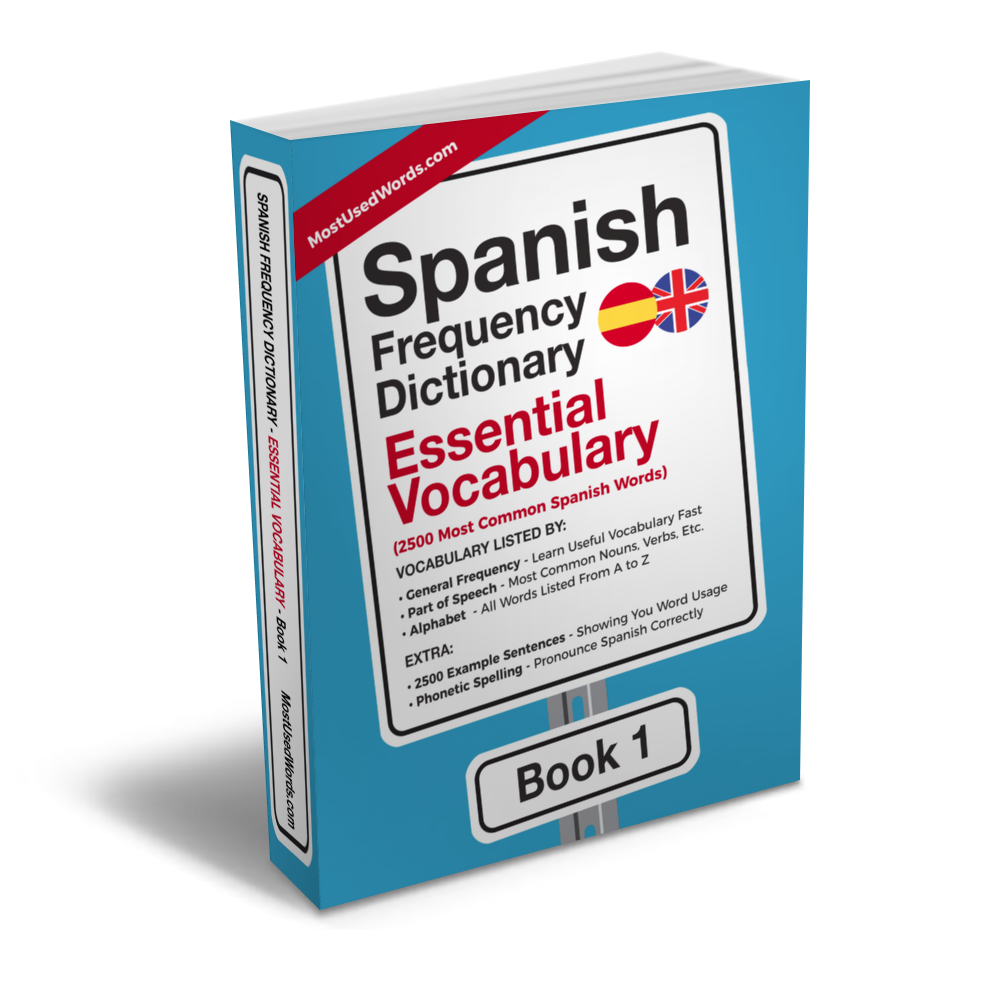
2,500 most common Spanish words with IPA pronunciation & bilingual example sentences
Understanding Esguinzar: A Comprehensive Guide
In Spanish, verbs like esguinzar are crucial for expressing actions that occur in specific contexts. This guide will cover the conjugation of esguinzar across different tenses and moods to help you use it correctly.
Pronunciation Guide for Esguinzar
Want to improve your Spanish?
The Spanish Frequency Dictionary series covers the 10,000 most common Spanish words — ranked by how often native speakers actually use them, with IPA pronunciation, English translations, and bilingual example sentences at every level.
Browse the full series →The verb esguinzar is pronounced as /ɛsˈɣwinθaɾ/. It’s important to note that the stress falls on the second syllable, and the 'z' sound can be challenging for non-native speakers.
How to Conjugate Esguinzar in Spanish
The conjugation of esguinzar follows a regular pattern in most tenses. Below are the main forms you need to know:
Indicative Mood: Simple Tenses
- (Yo) me esguinzo
- (Tú) te esguinzas
- (Él/Ella/Usted) se esguinza
- (Nosotros/Nosotras) nos esguinzamos
- (Vosotros/Vosotras) os esguinzáis
- (Ellos/Ellas/Ustedes) se esguinzan
Indicative Mood: Perfect Tenses
- (Yo) me he esguinzado
- (Tú) te has esguinzado
- (Él/Ella/Usted) se ha esguinzado
- (Nosotros/Nosotras) nos hemos esguinzado
- (Vosotros/Vosotras) os habéis esguinzado
- (Ellos/Ellas/Ustedes) se han esguinzado
Indicative Mood: Progressive Tenses
- (Yo) me estoy esguinzando
- (Tú) te estás esguinzando
- (Él/Ella/Usted) se está esguinzando
- (Nosotros/Nosotras) nos estamos esguinzando
- (Vosotros/Vosotras) os estáis esguinzando
- (Ellos/Ellas/Ustedes) se están esguinzando
Subjunctive Mood: Simple Tenses
- (Yo) me esguince
- (Tú) te esguinces
- (Él/Ella/Usted) se esguince
- (Nosotros/Nosotras) nos esguincemos
- (Vosotros/Vosotras) os esguincéis
- (Ellos/Ellas/Ustedes) se esguincen
Comparing Esguinzar with Similar Verbs
Esguinzar is often used interchangeably with verbs like torcer (to twist) and lastimar (to injure). However, each verb carries its own nuances:
- Torcer: This verb can mean to twist or bend something, but it is also used for spraining an ankle.
- Lastimar: While this verb means to hurt or injure, it is more general and less specific than esguinzar.
Frequently Asked Questions
What does esguinzar mean?
Esguinzar means "to sprain" or "to twist," typically referring to an injury where a joint is twisted.
How do you pronounce esguinzar?
The pronunciation of esguinzar is /ɛsˈɣwinθaɾ/. The stress falls on the second syllable, and it can be challenging for non-native speakers due to the 'z' sound.
Is esguinzar a regular verb?
Esguinzar follows a regular conjugation pattern in most tenses. However, there are some irregularities in certain moods and tenses.
Build Your Spanish Vocabulary Systematically
The fastest way to grow your Spanish vocabulary is to start with the words you'll actually encounter every day. The Spanish Frequency Dictionary covers the 2,500 most common Spanish words, each with IPA pronunciation, an English translation, and bilingual example sentences.
Browse the full range of Spanish frequency dictionaries to find the volume that matches your level.
