

Conjugación de Coquetear en Español - MostUsedWords.com
Updated for 2026, coquetear is a versatile Spanish verb that can be used in various contexts to convey the meaning of verbs such as "to flirt." Whether you are learning Spanish as a beginner or looking to expand your conjugation skills, understanding how to properly conjugate "coquetear" is essential. In this article, we will provide you with a comprehensive guide on the conjugations and uses of "coquetear," including examples for each form.
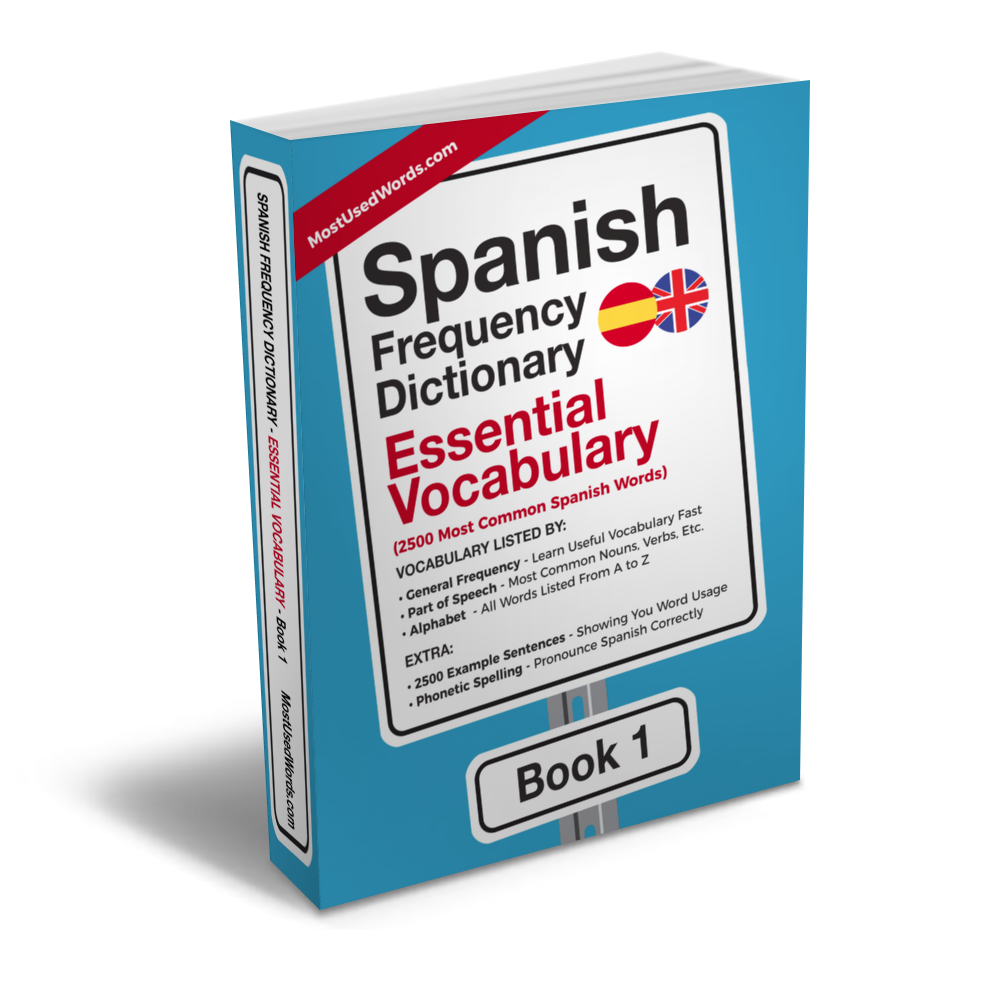
2,500 most common Spanish words with IPA pronunciation & bilingual example sentences
Forms of "Coquetear" in Spanish
In Spanish, verbs play a fundamental role in expressing actions, states, and conditions. Verbs are highly versatile and can take on different forms based on the subject, mood, and tense. The moods of conjugation in Spanish include the indicative, subjunctive, and imperative. When it comes to tenses in Spanish, they indicate the time and duration of an action. The tenses include the present, preterite, imperfect, future, imperative, and conditional.
Indicative Mood: Simple Tenses
Want to improve your Spanish?
The Spanish Frequency Dictionary series covers the 10,000 most common Spanish words — ranked by how often native speakers actually use them, with IPA pronunciation, English translations, and bilingual example sentences at every level.
Browse the full series →The indicative mood is used for statements that are considered factual or objective. Here's how "coquetear" conjugates in simple tenses:
- (Yo) coqueteo
- (Tú) coqueteas
- (Él/Ella/Usted) coquetea
- (Nosotros/Nosotras) coqueteamos
- (Vosotros/Vosotras) coqueteáis
- (Ellos/Ellas/Ustedes) coquetean
Indicative Mood: Perfect Tenses
The perfect tenses in Spanish are used to describe actions that have been completed at a specific point in time or up until now. Here's how "coquetear" conjugates in the present perfect tense:
- (Yo) he coqueteado
- (Tú) has coqueteado
- (Él/Ella/Usted) ha coqueteado
- (Nosotros/Nosotras) hemos coqueteado
- (Vosotros/Vosotras) habéis coqueteado
- (Ellos/Ellas/Ustedes) han coqueteado
Indicative Mood: Progressive Tenses
The progressive tenses are used to describe actions that are ongoing or in progress. Here's how "coquetear" conjugates in the present progressive tense:
- (Yo) estoy coqueteando
- (Tú) estás coqueteando
- (Él/Ella/Usted) está coqueteando
- (Nosotros/Nosotras) estamos coqueteando
- (Vosotros/Vosotras) estáis coqueteando
- (Ellos/Ellas/Ustedes) están coqueteando
Indicative Mood: Future Perfect
The future perfect tense is used to describe actions that will be completed at a specific point in the future. Here's how "coquetear" conjugates in this tense:
- (Yo) habré coqueteado
- (Tú) habrás coqueteado
- (Él/Ella/Usted) habrá coqueteado
- (Nosotros/Nosotras) habremos coqueteado
- (Vosotros/Vosotras) habréis coqueteado
- (Ellos/Ellas/Ustedes) habrán coqueteado
Uses of "Coquetear" in Different Contexts
The verb "coquetear" can be used in various contexts beyond just flirting. It can also describe playful teasing or the act of trying to attract attention:
- (Yo) coqueteo con la idea de viajar a España. (I flirt with the idea of traveling to Spain.)
- (Tú) coquetearás con el nuevo jefe en la reunión. (You will flirt with the new boss at the meeting.)
- (Él/Ella/Usted) coquetea con su amiga sobre un regalo sorpresa. (He/she teases his/her friend about a surprise gift.)
Comparison with Similar Verbs Like 'Flirtear' (French)
The French verb "flirter" is similar to the Spanish "coquetear." Both verbs describe flirtatious behavior, but there are subtle differences in usage:
- (Yo) coqueteo con mi vecino. (I flirt with my neighbor.)
- (Tú) flirteras avec ton collègue. (You will flirt with your colleague.)
Common Phrases Using "Coquetear"
Here are some common phrases that use the verb "coquetear":
- "No coquetees con él, es un malvado." (Don't flirt with him, he's a scoundrel.)
- "Ella coquetea con todos los hombres en la oficina." (She flirts with all the men in the office.)
- "Coquetear no es lo mismo que amar." (Flirting is not the same as loving.)
Frequently Asked Questions
What does "coquetear" mean?
The verb "coquetear" means to flirt or tease in Spanish. It can also be used more generally to describe playful behavior aimed at attracting attention.
How do you conjugate "coquetear"?
"Coquetear" is a regular -ear verb, so it follows the standard conjugation patterns for verbs ending in -ear. Here are some examples:
- (Yo) coqueteo
- (Tú) coqueteas
- (Él/Ella/Usted) coquetea
- (Nosotros/Nosotras) coqueteamos
- (Vosotros/Vosotras) coqueteáis
- (Ellos/Ellas/Ustedes) coquetean
Is "coquetear" the same as "flirter" in French?
"Coquetear" and "flirter" are similar, but there can be subtle differences in usage. While both verbs describe flirtatious behavior, cultural nuances might influence how they are used.
Build Your Spanish Vocabulary Systematically
The fastest way to grow your Spanish vocabulary is to start with the words you'll actually encounter every day. The Spanish Frequency Dictionary covers the 2,500 most common Spanish words, each with IPA pronunciation, an English translation, and bilingual example sentences.
Browse the full range of Spanish frequency dictionaries to find the volume that matches your level.