

How to Say Beautiful in the German Language for Different Ge
Knowing how to say "beautiful" in German is essential when complimenting someone or something, especially considering the nuances for different genders.
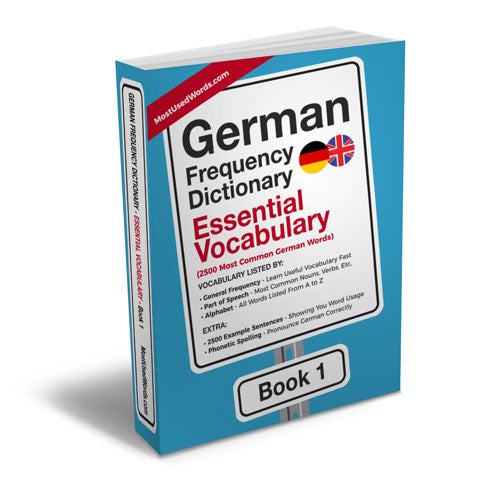
2,500 most common German words with IPA pronunciation & bilingual example sentences
How to Say Beautiful in the German Language for Different Genders
In German, "beautiful" is commonly translated as schön, pronounced [ʃøːn] in IPA transcription. However, it's important to note that there are gender-specific variations:
- Männlich: schön (neutral)
- Weiblich: hübsch (cute) or attraktiv (attractive)
For example, when complimenting a woman's appearance, you might say "Du siehst heute sehr hübsch aus." — You look very cute today. For men, using "schön" is more common: "Du siehst schön aus." — You look beautiful.
Regional Accent and Pronunciation of Schön
Want to improve your German?
The German Frequency Dictionary series covers the 10,000 most common German words — ranked by how often native speakers actually use them, with IPA pronunciation, English translations, and bilingual example sentences at every level.
Browse all 4 volumes →The pronunciation of schön can vary by region. In some areas, it might sound slightly different due to local accents. For instance, in Bavaria, the pronunciation might be softer or with a slight drawl.
How to Compliment in German: Using Schön and Alternatives
To compliment someone effectively in German, you can use schön along with other alternatives:
- Schön: general term for beauty.
- Hübsch: cute or charming (more feminine).
- Attraktiv: attractive, often used in a more formal setting.
Listen to the pronunciation of schön, hübsch, and attraktiv to get a feel for how they sound.
Cultural Context of Compliments in German
In Germany, compliments are an integral part of social interactions. They can be used to express admiration for someone's appearance or achievements and often serve as a way to build rapport and show appreciation.
When to Use Schön in German
The most common word for beautiful in German is schön. You can use it when talking about people, things, or places. Here are some examples:
- Du hast aber schöne Augen. – You have such beautiful eyes.
- Welch ein schöner Tag! – What a beautiful day!
Note that schön can also be translated as "nice," "lovely," or "pleasant" depending on the context:
- Hier können Sie auch schöne Geschenke für besondere Anlässe finden. – You can find nice gifts for special occasions here.
- Dieses Zimmer hat einen Balkon mit schöner Aussicht über den See. – This room has a balcony with lovely views over the lake.
Intensifying “Beautiful” in German: Alternatives to Schön
To add more depth to your compliments, you can use intensifiers. For instance:
- Atemberaubend schön – breathtakingly beautiful: Der Blick auf die umliegenden Berge ist atemberaubend schön. – The view of the surrounding mountains is breathtakingly beautiful.
- Bildschön – picture-perfect: Habe ich dir schon mal gesagt, dass du bildschön bist? – Have I ever told you that you are picture-perfect?
Regional Variations in the Use of 'Beautiful' Synonyms
The use of synonyms for "beautiful" can vary across different regions in Germany. For example, wunderschön (wonderfully beautiful) is more commonly used in some areas compared to others.
Common Phrases with 'Beautiful'
In addition to using schön, you can also use it in common phrases like:
- Guten Tag, schön dich zu sehen! – Good day, nice to see you!
- Schönen Dank für deine Hilfe. – Thank you very much for your help.
Build Your German Vocabulary Systematically
The fastest way to grow your German vocabulary is to start with the words you'll actually encounter every day. The German Frequency Dictionary covers the 2,500 most common German words, each with IPA pronunciation, an English translation, and bilingual example sentences.
Browse the full range of German frequency dictionaries to find the volume that matches your level.
Improve Your German with a Frequency Dictionary (Updated 2026)
Research consistently shows that mastering the top 1,000–3,000 most common words unlocks comprehension of 80–95% of everyday text and conversation. Our German Frequency Dictionary series is built around this principle: curated frequency-ranked word lists, bilingual example sentences in context, phonetic pronunciation, and part-of-speech data — covering A1 through C2 levels.