

Good Evening in German - Pronunciation and Usage Guide
In short:
Good Evening in German - Pronunciation and Usage Guide
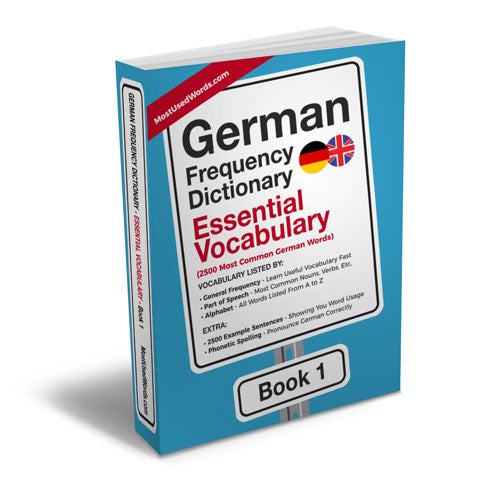
2,500 most common German words with IPA pronunciation & bilingual example sentences
Guten Abend Meaning and Pronunciation
Want to improve your German?
The German Frequency Dictionary series covers the 10,000 most common German words — ranked by how often native speakers actually use them, with IPA pronunciation, English translations, and bilingual example sentences at every level.
Browse all 4 volumes →Good evening in German is Guten Abend. This phrase is commonly used to greet someone during the late afternoon or early evening hours. To pronounce it correctly, say "Goo-tehn Ah-bend." For those who prefer phonetic spelling:
- /ˌɡuːtn̩/ /ˈaːbn̩t/
- /ˌɡuːtn̩/ /ˈaːbənt/
Listen to the correct pronunciation of Guten Abend:
Variations in Different Dialects
Across German-speaking regions, there are slight variations in how "Guten Abend" is pronounced and used. For example:
- In Austria, it might be pronounced with a more rounded 'a' sound.
Body Language and Gestures
When using "Guten Abend," accompany the greeting with appropriate body language. In formal settings:
- Maintain eye contact and a firm handshake.
Historical Context of Guten Abend
The phrase "Guten Abend" has deep roots in German culture, reflecting the importance placed on politeness and respect. It's not just a greeting but also an acknowledgment of the time of day.
Comparison with Other Greetings
"Guten Abend" is similar to other German greetings like "Guten Morgen" (good morning) and "Guten Tag" (good day). However, it's specifically used in the evening hours. While "Guten Tag" can be used throughout the day, "Guten Abend" is reserved for later afternoon or early evening.
Usage Across German-Speaking Regions
The phrase "Guten Abend" is widely used across Germany, Austria, and Switzerland. However, there are slight variations in pronunciation and usage depending on the region. For instance, in some parts of Austria, it might be pronounced with a more rounded 'a' sound.
Cultural Significance
Saying "Guten Abend" is deeply rooted in German culture, reflecting the importance of politeness and respect. It's not just a greeting but also an acknowledgment of the time of day.
Formal Usage
In formal settings, such as business meetings or when meeting strangers for the first time, "Guten Abend" should be used with a polite tone and maintained eye contact. For example:
- "Guten Abend, Herr Müller."
Informal Usage
In informal situations among friends or family members, a more relaxed approach is appropriate. For instance:
- "Guten Abend, Mama."
Using Guten Abend in Emails and Formal Letters
When writing emails or formal letters, "Guten Abend" can be used as a greeting. For example:
- "Sehr geehrter Herr Schmidt,
- Guten Abend und
Build Your German Vocabulary Systematically
The fastest way to grow your German vocabulary is to start with the words you'll actually encounter every day. The German Frequency Dictionary covers the 2,500 most common German words, each with IPA pronunciation, an English translation, and bilingual example sentences.
Browse the full range of German frequency dictionaries to find the volume that matches your level.