

Say I Love You in French: 5 Ways (Je T'Aime & More)
Updated for 2026, mastering the art of saying "I love you" in French can enhance any relationship, whether it's romantic or platonic.
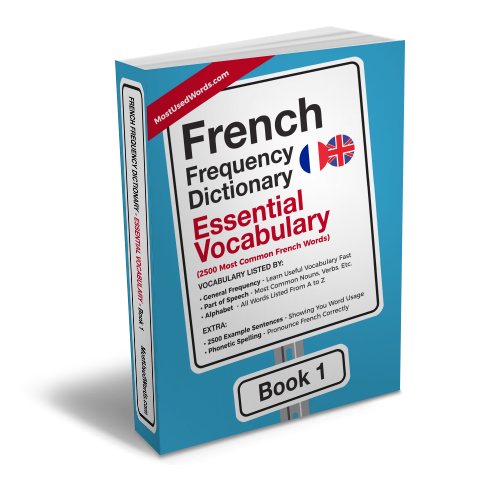
2,500 most common French words with IPA pronunciation & bilingual example sentences
Five Easy Ways to Say I Love You in French
The phrase je t'aime is the classic way to express love in French. However, there are several other ways to convey your affection that can add depth and nuance to your expressions.
Je T'Aime
Pronunciation: [ʒə tɛm]
This phrase is the direct translation of "I love you." It's widely used in romantic contexts but can also express general fondness or liking for something or someone.
Example: "Je t'aime, mon chéri" (I love you, my dear).
I Love You Too in French: Je T'Aime Aussi
Pronunciation: [ʒə tɛm oˈsi]
This phrase is a natural response when someone expresses their love to you.
Example: "Merci, je t'aime aussi" (Thank you, I love you too).
I Love You So Much in French: Je T'Aime Beaucoup
Pronunciation: [ʒə tɛm buˈko]
This phrase conveys a deep sense of affection and is often used to express intense feelings.
Example: "Merci, je t'aime beaucoup" (Thank you, I love you so much).
I Love You Forever in French: Je T'Aime Toujours
Pronunciation: [ʒə tɛm tuˈʒo]
This phrase is a promise of eternal love and commitment.
Example: "Tu seras toujours mon amour" (You will always be my love).
I Love You More in French: Je T'Aime Plus
Pronunciation: [ʒə tɛm ply]
This phrase is used to express that your feelings are growing stronger over time.
Example: "Tu sais, je t'aime plus chaque jour" (You know, I love you more each day).
Cultural Context of Saying "I Love You" in French
Want to improve your French?
The French Frequency Dictionary series covers the 10,000 most common French words — ranked by how often native speakers actually use them, with IPA pronunciation, English translations, and bilingual example sentences at every level.
Browse all 4 volumes →Common Mistakes to Avoid When Using These Phrases
Misusing aimer can lead to confusion as it means both "to like" and "to love." Always consider the context when using these phrases. Additionally, avoid overusing any single phrase, as this might diminish its impact.
Build Your French Vocabulary Systematically
The fastest way to grow your French vocabulary is to start with the words you'll actually encounter every day. The French Frequency Dictionary covers the 2,500 most common French words, each with IPA pronunciation, an English translation, and bilingual example sentences.
Browse the full range of French frequency dictionaries to find the volume that matches your level.